
Chat with Ava - Your AI Business Consultant

Hi I'm Ava, your AI guide to supercharging your business!
Whether you're already running a business or dreaming of starting one, I'm here to help turn your vision into reality using AI powered freelancers. Share your business goals, and together, we'll create a project that our talented freelancers can bid on. Let's make your vision a reality!
I have a business
I'm starting a business
Something went wrong while sending the conversation to your email. Please try again later.
You can only save your conversation once per hour. Please try again later.
Your conversation is too short. Keep chatting with Ava to enable saving.

Hire expert
Microcontroller Developers
for any job
Millions of people use Freelancer.com to turn their ideas into reality.
Trusted by leading brands and startups


Hire Microcontroller Developers


$15 per hour

$10 per hour

$15 per hour

$8 per hour

$8 per hour

$12 per hour


$5 per hour


$50 per hour
Clients rate our Microcontroller Developers
4.85 out of 5
from 38,683 reviews
How to hire a great freelance Microcontroller Developer
A microcontroller consists of a single integrated circuit that has a processor core and memory peripherals that are programmable. Microcontrollers are used for a wide range of applications ranging from toys to car engines and even medical implants. They are usually used in products which require some kind of control that will be used by the user of the product.
Microcontroller development is required in order to allow for software functionality. For example, if you are developing one a microcontroller for a TV and its remote, this chip must be developed so that it can capture the signal that is sent from the remote and execute the function on the television.
Various software development kits have been designed for this purpose. While a lot of people may try to develop it themselves, it usually requires a certain amount of expertise and experience to be able to do it properly.
If you have a product that requires a microcontroller, you should consider finding an expert to develop it.
How will an expert actually add value to the project? Here are a few things that expert microcontroller developers will help you with:
If you are hiring an expert for a single project, it makes sense to find an epxert. Hiring a freelance expert has never been this easy. Simply sign up to Freelancer.com and post your project details. Here, you will have access to people who have worked with microcontroller development in all possible aspects. You can even chose to get in touch with them and see who will be the best option for your product. You will then be able to hire them and get your job done with ease so that you don’t need to worry about doing it yourself.
Hiring a freelance microcontroller expert via Freelancer offers a wide range of benefits to employers and can often be a lower rate than traditional experts who are employed on a full time basis.
If you’re looking for a solution for your microcontroller needs or if you are looking to trial a freelancer to see if they provide the levels of expertise you are looking for, using a platform such as Freelancer.com is a fantastic option.
Simply log onto the Freelancer.com website and search through a bank of talented freelancers who are willing and able to provide their services to you for your project. Post a project on freelancer.com today.

Freelancer Enterprise
Company budget? Get more done for less
Use our workforce of 50 million to help your business achieve more.

Freelancer API
50 million professionals on demand
Why hire people when you can simply integrate our talented cloud workforce instead?
How hiring a Microcontroller Developer works

1. Post a job

2. Choose freelancers

3. Track progress

4. Pay safely
So what are you waiting for?
Post a project today and get bids from talented freelancers
Showcased work from our freelancers
Get some inspiration from Microcontroller projects
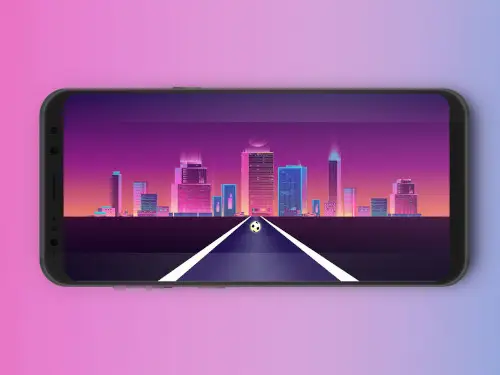
Discover More
Game.
$50 USD in 9 days.

Discover More
Package Design.
$110 USD in 4 days.
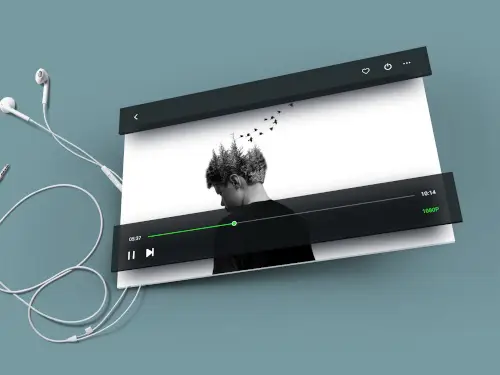
Discover More
Music Video.
$300 USD in 12 days.

Discover More
Interior Design.
$269 USD in 14 days.

Discover More
Poster.
$100 USD in 3 days.

Discover More
Flyer Design.
$15 USD in 1 day.
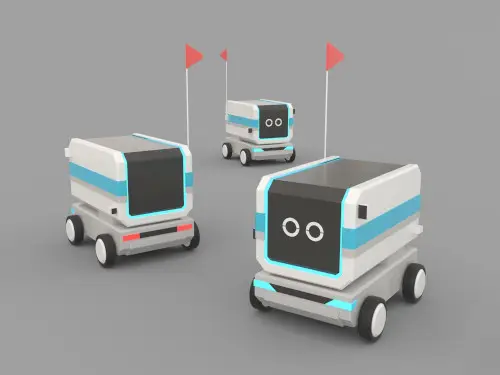
Discover More
Concept Design.
$100 USD in 10 days.

Discover More
Socials Post.
$50 USD in 6 days.
As featured in


The world's largest marketplace
Millions of users, from small businesses to large enterprises, entrepreneurs to startups, use Freelancer to turn their ideas into reality.
73.0M
73.0M
Registered Users
23.7M
23.7M
Total Jobs Posted
Looking for freelancers for other types of work?
Thanks! We’ve emailed you a link to claim your free credit.
Something went wrong while sending your email. Please try again.



Copy to clipboard failed, please try again after adjusting your permissions.
Copied to clipboard.
Loading preview
Permission granted for Geolocation.
Your login session has expired and you have been logged out. Please log in again.