
Chat with Ava - Your AI Business Consultant

Hi I'm Ava, your AI guide to supercharging your business!
Whether you're already running a business or dreaming of starting one, I'm here to help turn your vision into reality using AI powered freelancers. Share your business goals, and together, we'll create a project that our talented freelancers can bid on. Let's make your vision a reality!
I have a business
I'm starting a business
Something went wrong while sending the conversation to your email. Please try again later.
You can only save your conversation once per hour. Please try again later.
Your conversation is too short. Keep chatting with Ava to enable saving.

Hire expert
MMORPG Developers
for any job
Millions of people use Freelancer.com to turn their ideas into reality.
Trusted by leading brands and startups


Hire MMORPG Developers



$40 per hour

$44 per hour


$50 per hour

$50 per hour

$25 per hour

$40 per hour

$40 per hour
$25 per hour
Clients rate our MMORPG Developers
4.99 out of 5
from 4,925 reviews
How to hire a great freelance MMORPG Developer
MMORPGs or Massive Multiplayer Online Role Playing Games are widely popular and are a healthy source of income for the companies that produce them. Users create an avatar to play as in a virtual world, often taking on missions and fighting other players in a quest to boost their characters skills and fame on the site.
Companies that produce MMORPGs often charge subscription fees and sell virtual items that help the player improve their characters stats and make playing the game easier. Top MMORPGs make millions of dollars each year using this business model. While most MMORPGs require the player to install a program on their device, there have also been browser based MMORPGs that have been wildly successful.
While fantasy MMORPGs can certainly claim the spot as the most popular genre, the best MMORPG doesn’t have to be in the fantasy genre necessarily! Do you want to develop an MMORPG? Are you looking for virtual products or for someone to improve your account? Consider an MMORPG expert from Freelancer.com.
So you think you’re ready to hire an MMORPG expert? That’s awesome! But where should you start? That’s a great question! With so many ways to find MMORPG pros on Freelancer, we’ll fill you in on some ways to find your next great hire on Freelancer.com!
Do you have a specific MMORPG project in mind? Posting your project on Freelancer.com is a great place to start! Get your project out there and then watch experienced, qualified MMORPG pros pour in with their competitive proposals! Freelancer’s bid and proposal system helps you hire a talented MMORPG expert at a great value!
Have a specific kind of freelancer in mind? Forego the project posting process and find your freelancer of choice through our extensive freelancer directory. Search MMORPG freelancers by experience, reputation, geographical location and a nearly limitless list of other skills that might be pertinent to your next MMORPG project. The Freelancer Directory gives you the tools to research and find the perfect freelancer for your task. You can offer to hire them directly from their profile.
Still not sure which MMORPG pro to hire? Not a problem! Freelancer’s expert talent recruiters are available to work with you to find the very best MMORPG specialist for your project. Freelancer.com has identified the most talented and reliable MMORPG freelancers on our site and your personal recruiter will work to bring them to your project. Feel free to chat with your recruiter regarding the different project proposals and even receive their recommendation for your next hire. You can’t go wrong with these proven MMORPG freelancers!
What are you waiting for? Freelancer.com is the premier source for freelance MMORPG talent for hire on the web. Get your next website testing project off the ground today and begin to reap the benefits of having the strongest MMORPG game or account that you can dream of.
Whether you’re looking to create your own game or simply enhance your enjoyment of a popular hobby, get your next MMORPG project started by hiring your next great MMORPG expert on Freelancer.com.

Freelancer Enterprise
Company budget? Get more done for less
Use our workforce of 50 million to help your business achieve more.

Freelancer API
50 million professionals on demand
Why hire people when you can simply integrate our talented cloud workforce instead?
How hiring a MMORPG Developer works

1. Post a job

2. Choose freelancers

3. Track progress

4. Pay safely
So what are you waiting for?
Post a project today and get bids from talented freelancers
Showcased work from our freelancers
Get some inspiration from MMORPG projects

Discover More
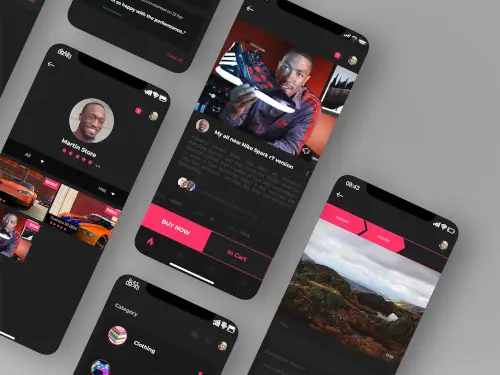
Website Design.
$540 USD in 7 days.
Discover More
App Design.
$100 USD in 1 day.

Discover More
Website.
$430 USD in 1 day.

Discover More
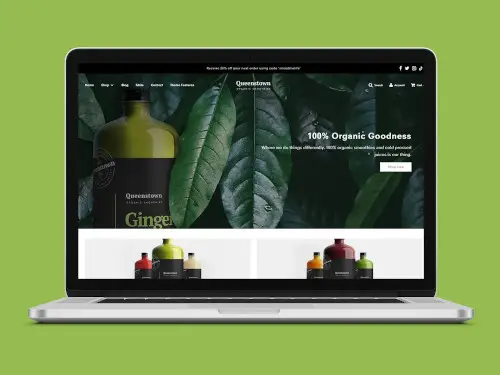
Website Design.
$140 USD in 13 days.
Discover More
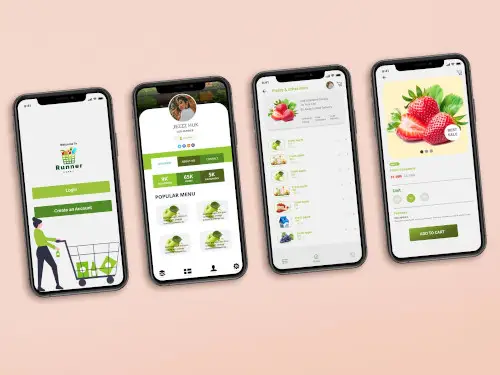
App Design.
$200 USD in 19 days.
Discover More
Website.
$150 USD in 13 days.
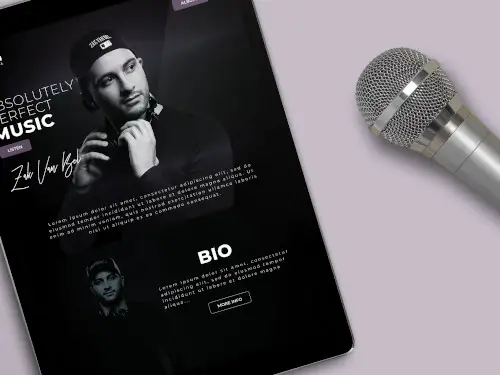
Discover More
Website.
$240 USD in 1 day.
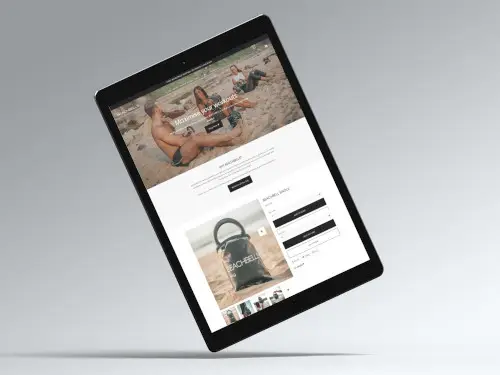
Discover More
Website.
$100 USD in 1 day.
As featured in


The world's largest marketplace
Millions of users, from small businesses to large enterprises, entrepreneurs to startups, use Freelancer to turn their ideas into reality.
73.1M
73.1M
Registered Users
23.7M
23.7M
Total Jobs Posted
Looking for freelancers for other types of work?
Thanks! We’ve emailed you a link to claim your free credit.
Something went wrong while sending your email. Please try again.



Copy to clipboard failed, please try again after adjusting your permissions.
Copied to clipboard.
Loading preview
Permission granted for Geolocation.
Your login session has expired and you have been logged out. Please log in again.